
Finding the right grinding media is crucial for manufacturing and engineering sectors, as it directly impacts efficiency and product quality. This article explores the various types of grinding media available from local suppliers, focusing on their characteristics, benefits, and how to select the right options for your specific needs.
Many businesses struggle with sourcing high-quality grinding media that meets their operational requirements. By understanding the different types of grinding media and their applications, you can make informed decisions that enhance your manufacturing processes. We will cover the types of grinding media, how to choose the right size and material, where to find reliable local suppliers, current pricing considerations, and the latest market trends.
What Types of Grinding Media Are Available from Local Suppliers?
Local suppliers offer a diverse range of grinding media tailored to various manufacturing needs. The most common types include:
- Chrome Steel Grinding Balls: Known for their durability and cost-effectiveness, these balls are widely used in industrial applications, especially in mining and cement industries.
- Ceramic Grinding Media: These are ideal for applications requiring minimal contamination and are often used in the food, pharmaceutical, and chemical industries.
- Tungsten Carbide Grinding Media: This type is favored for its high density and hardness, making it suitable for grinding very hard materials and precision applications.
Understanding the characteristics of each type helps in selecting the most appropriate media for specific applications.
How Do Chrome Steel Grinding Media Compare to Other Materials?
Chrome steel grinding media are often compared to ceramic and tungsten carbide options. They offer good durability and are generally more cost-effective than tungsten carbide media.
However they can be less wear-resistant than some high-quality ceramics. While ceramic media is less likely to contaminate materials and offers excellent wear resistance, chrome steel provides a good balance of hardness and cost for a wide range of applications.
Tungsten carbide, on the other hand, excels in grinding very hard materials but comes at a significantly higher cost. Each material has its unique advantages, making it essential to consider the specific requirements of your project when making a selection.
What Are the Benefits of Industrial Grinding Balls for Manufacturing?
Industrial grinding balls, particularly those made from chrome steel, provide several key benefits for manufacturing processes:
- Enhanced Performance: Their hardness and density contribute to efficient grinding, leading to improved product quality.
- Cost Efficiency: Chrome steel grinding balls are often more affordable than tungsten carbide and some ceramic options, reducing overall production costs.
- Customization Options: Many suppliers offer various sizes and specifications, allowing businesses to tailor their media to specific applications.
These benefits make chrome steel grinding balls a popular choice among manufacturers looking to optimize their production processes.
How to Choose the Right Grinding Media Size and Material for Your Project?
Selecting the appropriate grinding media size and material is critical for achieving optimal results in manufacturing. Several factors influence this decision, including the type of material being processed, the desired particle size, and the specific application requirements.
What Factors Influence Grinding Media Selection for Engineering Projects?
Key factors to consider when selecting grinding media include:
- Material Hardness: The hardness of the material being ground should be less than or comparable to the hardness of the grinding media to ensure effective grinding and minimize media wear.
- Desired Particle Size: The size of the grinding media can affect the final particle size of the product, making it essential to choose the right dimensions.
- Purity Requirements: For applications in sensitive industries, such as food or pharmaceuticals, the purity of the grinding media is crucial to avoid contamination.
Understanding these factors can help you make informed decisions that enhance your manufacturing outcomes.
How Does Material Hardness Affect Grinding Media Performance?
Material hardness plays a significant role in the performance of grinding media. Harder materials tend to wear down grinding media more quickly, which can lead to increased costs and reduced efficiency. Conversely, using grinding media that is too soft can result in ineffective grinding and longer processing times. Therefore, it is essential to match the hardness of the grinding media with the materials being processed to achieve optimal performance and longevity.
Where to Find Reliable Local Suppliers of Grinding Media Near Me?
Finding reliable local suppliers of grinding media is essential for ensuring consistent quality and timely delivery. Local suppliers often provide several advantages over larger, national distributors.
What Advantages Do Local Grinding Media Suppliers Offer?
Local suppliers can offer several benefits, including:
- Reduced Shipping Times: Proximity to suppliers can significantly decrease lead times, allowing for quicker project turnaround.
- Local Support: Having a local supplier means easier communication and support, which can be crucial for resolving issues quickly.
- Customization Options: Local suppliers may be more flexible in accommodating specific requests for sizes and materials.
These advantages make local suppliers an attractive option for businesses looking to optimize their supply chain.
How to Verify Local Supplier Quality and Delivery Options?
When selecting a local supplier, it is important to assess their quality and delivery capabilities. Consider the following criteria:
- Quality Certifications: Look for local suppliers that have relevant quality certifications such as ISO 9001 to ensure their products meet industry standards.
- Delivery Reliability: Check reviews and testimonials to gauge the local supplier’s reliability in meeting delivery timelines.
- Customer Reviews: Feedback from other customers can provide insights into the local supplier’s service quality and product performance.
By verifying these aspects, you can ensure that you choose a local supplier that meets your operational needs.
What Are the Current Grinding Media Price Lists and Cost Considerations?
Understanding the pricing landscape for grinding media is essential for budgeting and cost management. Prices can vary significantly based on the type of media, supplier, and order volume.
Indeed, the financial impact of grinding media on overall operational costs cannot be overstated, often representing a substantial portion of total comminution expenses.
Grinding Media Costs, Efficiency & Quality in Mineral Processing
The grinding balls form the major portion of the consumable costs, and can be as high as 40% to 45% of the total costs of communition. Grinding is essential to the efficient separation of minerals, is the key to good minerals processing. To produce clean concentrates it is necessary to grind the ore fine enough to liberate the minerals, but overgrinding inflates energy costs and can lead to the production of untreatable fine ‘slimes’ particles1. Grinding is therefore a compromise between recovering clean highgrade concentrates, and minimising operating costs and fines losses. Annually, large tonnages of ferrous grinding media are consumed around the globe, costing several million dollars2.
Grinding media quality assurance for the comminution of gold ores, 2009
How Do Prices Vary Among Abrasive Grinding Media Manufacturers?
Prices for abrasive grinding media can differ based on several factors, including:
- Material Type: Chrome steel grinding balls are generally more affordable than tungsten carbide options, with ceramic media prices varying depending on composition and quality.
- Supplier Pricing Strategies: Different suppliers may have varying pricing models based on their operational costs and market positioning.
- Order Volume: Bulk orders often come with discounts, making it more cost-effective for larger projects.
Being aware of these factors can help businesses negotiate better pricing and make informed purchasing decisions.
What Are Typical Lead Times and Delivery Costs from Local Suppliers?
Lead times and delivery costs can vary widely among local suppliers. Typical lead times for grinding media can range from 1 to 5 business days for local deliveries, depending on stock availability and order size, while shipping costs may depend on the distance and order size. Understanding these variables is crucial for planning and ensuring that production schedules are met without delays.
How Do Engineering Project Support and Case Studies Enhance Supplier Selection?
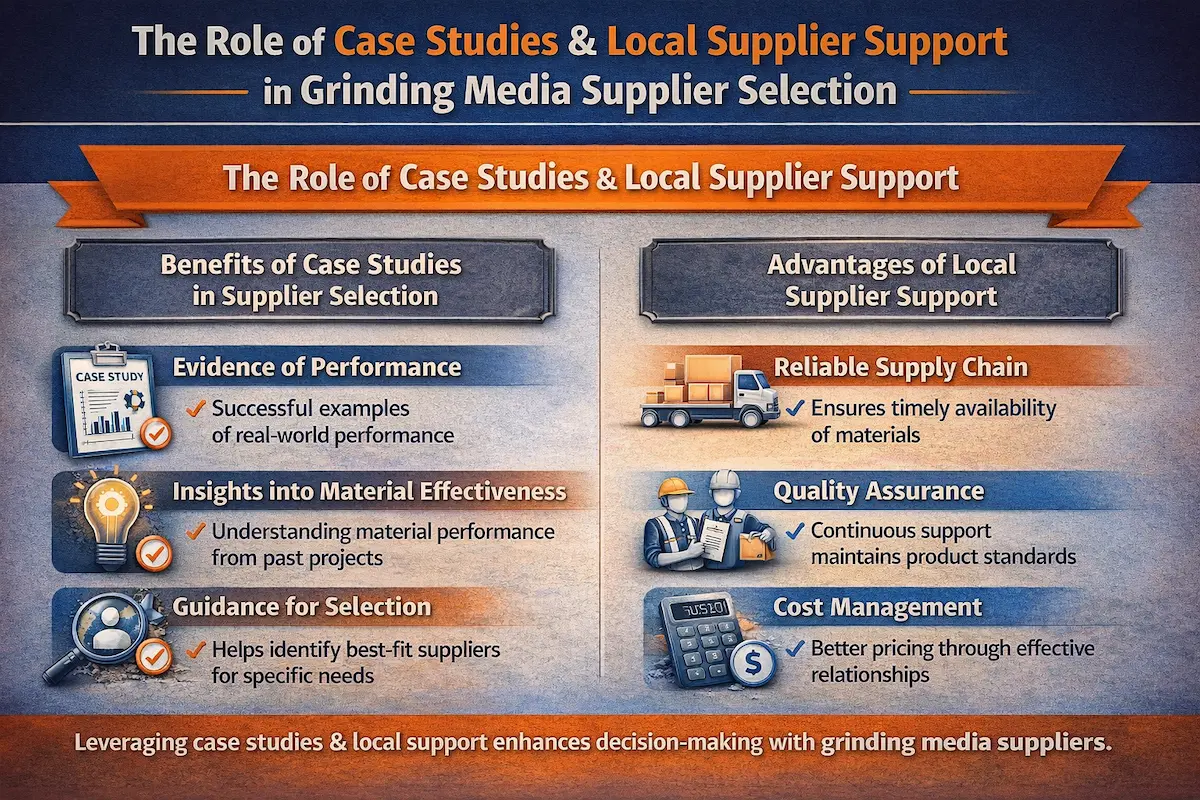
Engineering project support and case studies can significantly influence supplier selection by providing insights into a supplier’s capabilities and past performance.
What Role Do Case Studies Play in Choosing Grinding Media Suppliers?
Case studies can demonstrate a supplier’s effectiveness in meeting specific project requirements. They often highlight:
- Evidence of Performance: Successful case studies provide concrete examples of how a supplier’s products have performed in real-world applications.
- Insights into Material Effectiveness: Understanding how different materials have been utilized in past projects can inform future decisions.
- Guidance for Selection: Case studies can help businesses identify which suppliers are best suited for their specific needs based on previous successes.
Leveraging case studies can enhance the decision-making process when selecting a grinding media supplier.
How Can Local Supplier Support Improve Manufacturing Outcomes?
Local supplier support can play a critical role in improving manufacturing outcomes by providing:
- Reliable Supply Chain: Consistent support ensures that materials are available when needed, reducing downtime.
- Quality Assurance: Suppliers that offer ongoing support can help maintain product quality through regular communication and feedback.
- Cost Management: Effective supplier relationships can lead to better pricing and terms, ultimately reducing overall project costs.
By prioritizing supplier support, businesses can enhance their operational efficiency and product quality.
What Are the Latest Market Trends and Innovations in Grinding Media for 2024-2026?
The grinding media market is evolving, with new trends and innovations shaping the industry landscape. Staying informed about these changes is essential for businesses looking to maintain a competitive edge.
How Is Demand for Chrome Steel Grinding Media Evolving?
Demand for chrome steel grinding media is expected to grow steadily as industries increasingly recognize its benefits. Factors driving this demand include:
- Increased Manufacturing Activity: As manufacturing sectors expand globally, the need for reliable grinding media will rise.
- Technological Advancements: Innovations in production techniques are enhancing the performance and cost-effectiveness of chrome steel options.
- Sustainability Considerations: The push for more sustainable manufacturing practices is leading to a preference for durable and recyclable materials.
These trends indicate a positive outlook for chrome steel grinding media in the coming years.
What New Technologies Are Impacting Grinding Media Performance?
Emerging technologies are significantly impacting grinding media performance, including:
- Coated Beads Technology: This innovation enhances the durability and efficiency of grinding media, leading to better performance and longer service life.
- Hybrid Composite Media: Combining different materials can optimize grinding efficiency and reduce wear.
- Additive Manufacturing: Advances in 3D printing are allowing for the creation of customized grinding media tailored to specific applications, though this technology is still emerging in this field.
These technological advancements are set to transform the grinding media landscape, offering new opportunities for manufacturers.