
Precision Glass Balls
Precision Glass Balls for Optical, Valve, Lab, and Fluid-Handling Applications
STR Industries supplies borosilicate and soda lime glass balls for optical systems, check valves, laboratory equipment, fluid metering, decorative uses, display applications, and specialty industrial requirements.
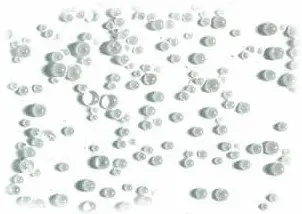
Material Comparison
Compare Borosilicate and Soda Lime Glass Balls
Borosilicate and soda lime glass balls serve different specification needs. Borosilicate is used when thermal shock resistance and chemical resistance matter. Soda lime is used when cost, appearance, and general fluid-handling performance are the main drivers.
| Property | Borosilicate Glass | Soda Lime Glass |
|---|---|---|
| Density | 2.23 g/cm3 | 2.50 g/cm3 |
| Hardness | 6.5 Mohs | 5.5-6.0 Mohs |
| Thermal Expansion | 3.3 x 10^-6/K | 9.0 x 10^-6/K |
| Thermal Shock Resistance | Up to 180°C reference range | Up to 70°C reference range |
| Refractive Index | 1.474 | 1.523 |
| Chemical Resistance | Excellent | Good |
| Working Temperature | 230°C continuous reference range | 110°C continuous reference range |
| Typical Relative Cost | Medium | Lower |
Application Matrix
Choose the Glass Ball Material Based on the Application
Glass ball selection depends on chemical exposure, thermal shock, optical requirements, tolerance, surface finish, cost target, and the operating environment.
Borosilicate Glass Balls
Best for: Chemical resistance, thermal stability, laboratory equipment, optical components, and critical fluid-handling applications.
- Chemical-resistant check valves and ball valves
- Laboratory equipment and analytical instruments
- Thermal-shock-sensitive fluid handling
- Pharmaceutical processing equipment
- Optical equipment requiring low thermal expansion
Soda Lime Glass Balls
Best for: Cost-sensitive applications, decorative uses, display, fluid level devices, and general industrial use.
- Cost-sensitive valve and fluid-handling applications
- Decorative and display use
- Liquid-level indicators and float devices
- Educational and laboratory demonstration
- Packaging seal balls and general industrial applications
Size Range and Tolerances
Glass Ball Sizes and Tolerance Classes for Optical, Valve, and Display Use
STR Industries supplies glass balls for precision, fluid-handling, decorative, and specialty industrial applications. Standard production sizes range from 0.5 mm through 50 mm diameter.
| Application | Typical Tolerance | Surface Finish | Common Use |
|---|---|---|---|
| Optical / Precision | ±0.005 mm sphericity reference | Polished | Optical systems, instruments, sensors, and precision assemblies. |
| Valve / Fluid Handling | ±0.025 mm sphericity reference | Polished or fire-finished | Check valves, pumps, metering equipment, lab equipment, and flow-control components. |
| Decorative / Display | ±0.10 mm sphericity reference | Fire-finished | Decorative, display, craft, art, packaging, and general-use applications. |
How to Specify a Glass Ball
Send the Right Details for a Faster Glass Ball Quote
Glass ball quotes move faster when the application, material, diameter, tolerance, surface finish, and packaging requirements are clear.
1. Material
Choose borosilicate or soda lime based on thermal shock, chemical exposure, optical needs, and cost target.
2. Diameter
Provide metric or inch diameter, target tolerance, and any required sphericity or dimensional inspection requirements.
3. Surface Finish
Specify polished, fire-polished, ground, or application-specific finish based on optical, valve, or decorative use.
4. Application Class
Identify whether the ball is for optical, valve, fluid-handling, laboratory, decorative, display, or packaging use.
5. Quantity
Quantity affects availability, production planning, packaging, pricing, and lead time.
6. Documentation
List any certificate, inspection, food-contact, pharmaceutical, laboratory, or customer-specific documentation requirements.
Applications
Glass Balls for Optical, Valve, Fluid-Handling, Lab, and Display Applications
Glass balls are used where visual clarity, chemical resistance, smooth surface finish, low density, or non-metallic performance matters.
Check Valves
Typical material: Borosilicate or soda lime.
Used in fluid-control systems where a smooth, corrosion-resistant, non-metallic ball is required.
Laboratory Equipment
Typical material: Borosilicate glass.
Used in analytical instruments, lab apparatus, pumps, flow meters, and chemical-handling systems.
Optical and Precision
Typical material: Borosilicate or optical-grade glass.
Used in sensors, optical assemblies, instruments, and applications requiring polished spherical surfaces.
Pharmaceutical and Fluid Handling
Typical material: Borosilicate glass.
Used where chemical resistance, cleanability, and non-metallic material performance are important.
Display and Decorative
Typical material: Soda lime glass.
Used for decorative products, display, art supplies, craft supplies, and specialty appearance applications.
Industrial Specialty
Typical material: Borosilicate or soda lime.
Used in float devices, packaging seal balls, aerosol applications, indicators, and general specialty products.
Material and Color Options
Clear, Black, and Custom Glass Ball Requirements
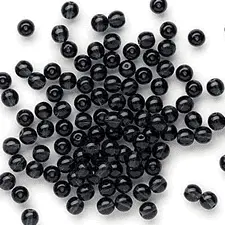
Clear glass balls are commonly used for optical, laboratory, fluid-handling, and display applications. Black glass balls may be specified for appearance-driven, specialty industrial, or visual contrast requirements.
Standard production is typically clear glass, but colored glass balls can be reviewed on custom order when the application, color reference, diameter, tolerance, and quantity are provided.
Documentation and Quote Details
Glass Ball Quotes Built Around Material, Tolerance, Finish, and Application
STR Industries can review glass ball requirements for material type, diameter, tolerance, surface finish, quantity, packaging, application, and any required documentation.
ASTM E438 may be used as a useful reference for laboratory glass apparatus because it covers low-expansion borosilicate glass and soda-lime glass used in laboratory glass products.
Information to Include on Your RFQ
- Glass material: borosilicate, soda lime, clear, black, or custom color
- Diameter and tolerance
- Surface finish: polished, fire-polished, or ground
- Application: optical, valve, lab, display, decorative, packaging, or fluid handling
- Quantity and packaging requirements
- Any required inspection or compliance documentation
FAQ
Glass Ball Questions
What is the difference between borosilicate and soda lime glass balls?
Borosilicate glass has a much lower coefficient of thermal expansion than soda lime glass, which makes it better for thermal shock resistance and chemical resistance. Soda lime glass is generally less expensive and is a good fit when those performance properties are not critical.
Can glass balls be used as check valve balls?
Yes. Glass balls can be used as check valve balls in laboratory equipment, pharmaceutical pumps, fluid metering devices, and low-load fluid-handling systems, especially where corrosion resistance or non-metallic material performance is required.
What size tolerances are achievable in glass balls?
Achievable tolerance depends on glass material, diameter, quantity, and surface finish. Optical-grade glass balls may require tighter tolerance and polished finish, while valve-grade and decorative-grade glass balls may use broader tolerance ranges.
Are glass balls suitable for food or pharmaceutical applications?
Glass balls may be specified for food, pharmaceutical, and laboratory applications where chemical inertness and non-metallic material performance are required. Confirm any required food-contact, pharmaceutical, or compliance documentation on the RFQ.
Can STR Industries supply glass balls in colors?
Standard glass ball requirements are commonly clear, but black or colored glass balls may be reviewed on custom order. Submit the color reference, sample, Pantone, RAL, diameter, tolerance, and quantity with the RFQ.
What information should I include in a glass ball RFQ?
Include glass material, diameter, tolerance, surface finish, color, quantity, application, packaging needs, and any inspection or documentation requirements. A drawing, sample, part number, or photo is helpful when available.
Need a Glass Ball Specification Reviewed?
Send your material, diameter, tolerance, finish, quantity, and application details. STR Industries will review the requirement and provide quote support.
Request a Glass Ball Quote