

Selecting the optimal grinding media material is a critical decision that directly influences milling efficiency, contamination control, and lifecycle costs. Engineers, procurement managers, and industrial manufacturers require a clear comparison of steel, ceramic, tungsten carbide, and niche media to match performance with application demands. This guide delivers a structured grinding media materials comparison by examining core properties, material types, direct performance comparisons, selection criteria, specialized benefits of zirconia and tungsten carbide, alternative media options, and emerging industry trends. With actionable insights and practical tables, you’ll be equipped to choose the media that maximizes throughput and product purity while aligning with cost and sustainability targets.
What Is Grinding Media and Why Does Material Choice Matter?
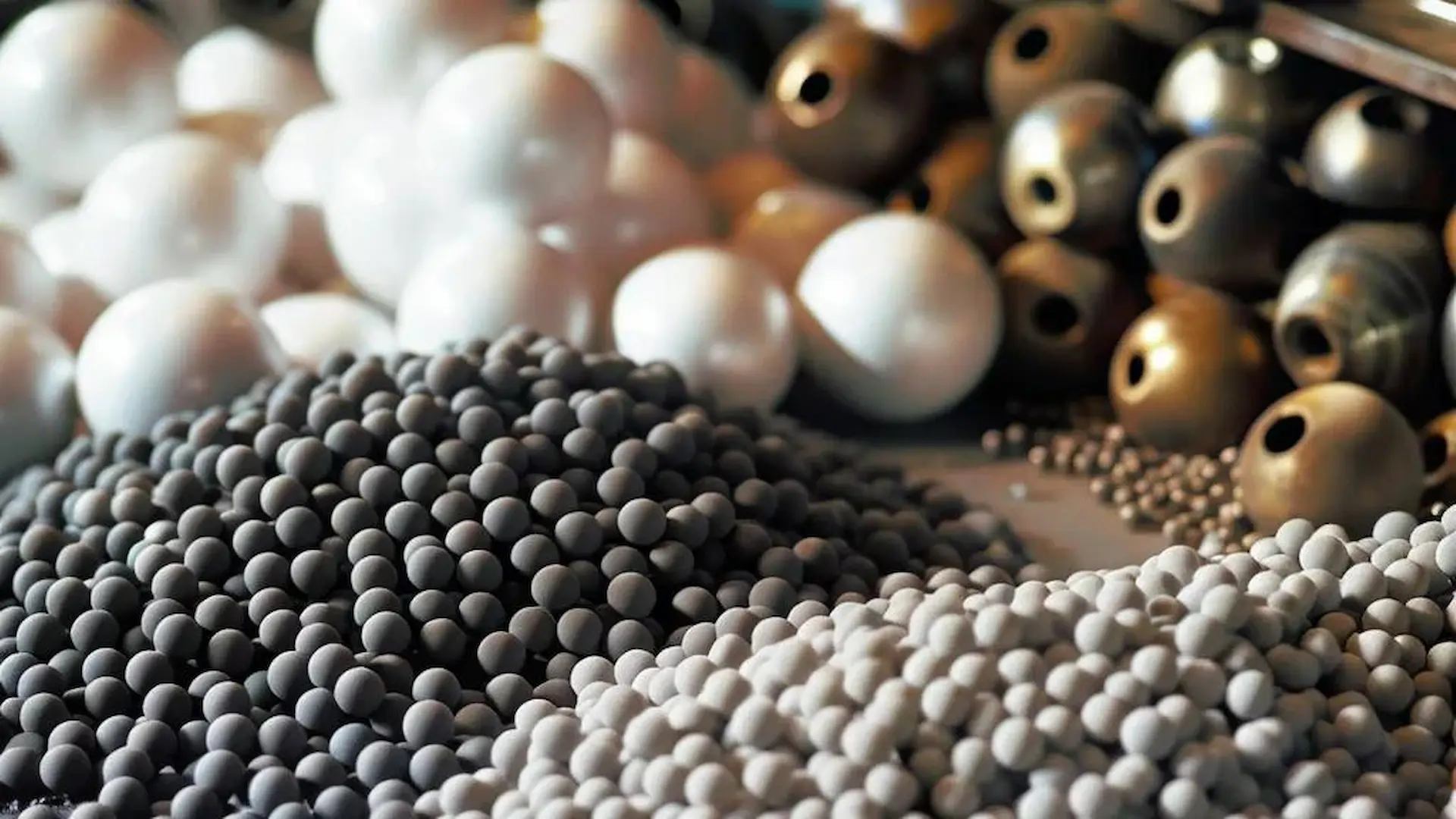
Grinding media are solid particles—typically spheres or beads—used in mills to crush, grind, and disperse materials into finer particles for downstream processes. Material choice matters because each media type combines hardness, density, wear resistance, and chemical stability in unique ways that affect grinding kinetics, contamination levels, and operational lifespan. For example, selecting high-chrome steel balls for mineral grinding may boost impact strength but introduce iron contamination in sensitive applications. Understanding these trade-offs is essential for optimizing performance, minimizing downtime, and achieving precise particle size targets.
Hardness, density, wear resistance, and chemical stability are fundamental to media performance and set the stage for selecting the right component for any milling challenge.
What Are the Key Properties of Grinding Media?
The performance of grinding media depends on a set of interrelated material attributes that determine efficiency, purity, and durability.
- Hardness that resists deformation under impact and abrasion
- Density that governs energy transfer during particle collisions
- Wear resistance that extends service life and reduces replacement frequency
- Chemical stability that prevents media degradation and product contamination
These properties collectively shape milling outcomes and guide material selection toward optimal throughput and quality. Next, we’ll explore how those attributes translate into milling efficiency and product integrity.
How Does Grinding Media Impact Milling Efficiency and Product Quality?
Grinding media influences milling efficiency by controlling energy transfer per collision and the rate of particle breakage. High-density media deliver stronger impacts, accelerating size reduction, whereas lower-density ceramic beads can improve circulation and reduce energy consumption. Contamination control hinges on media stability: chemically inert ceramics minimize ion release into the milled product, preserving purity for pharmaceuticals or electronics. Balancing impact energy with abrasion rates ensures both rapid milling and extended media lifespan, laying the groundwork for comparing material types.
Which Industrial Sectors Rely on Different Grinding Media Materials?
Various industries tailor media choice to their unique process requirements:
- Mining and cement production demand high-density steel or tungsten carbide for coarse ore grinding.
- Pharmaceuticals and food processing require inert ceramic media like alumina or zirconia to avoid contamination.
- Electronics and advanced materials prefer ultra-hard beads such as silicon nitride for fine, high-precision grinding.
Recognizing sector-specific demands highlights why no single media fits all applications and transitions us to an overview of the main material categories.
What Are the Main Types of Grinding Media Materials?
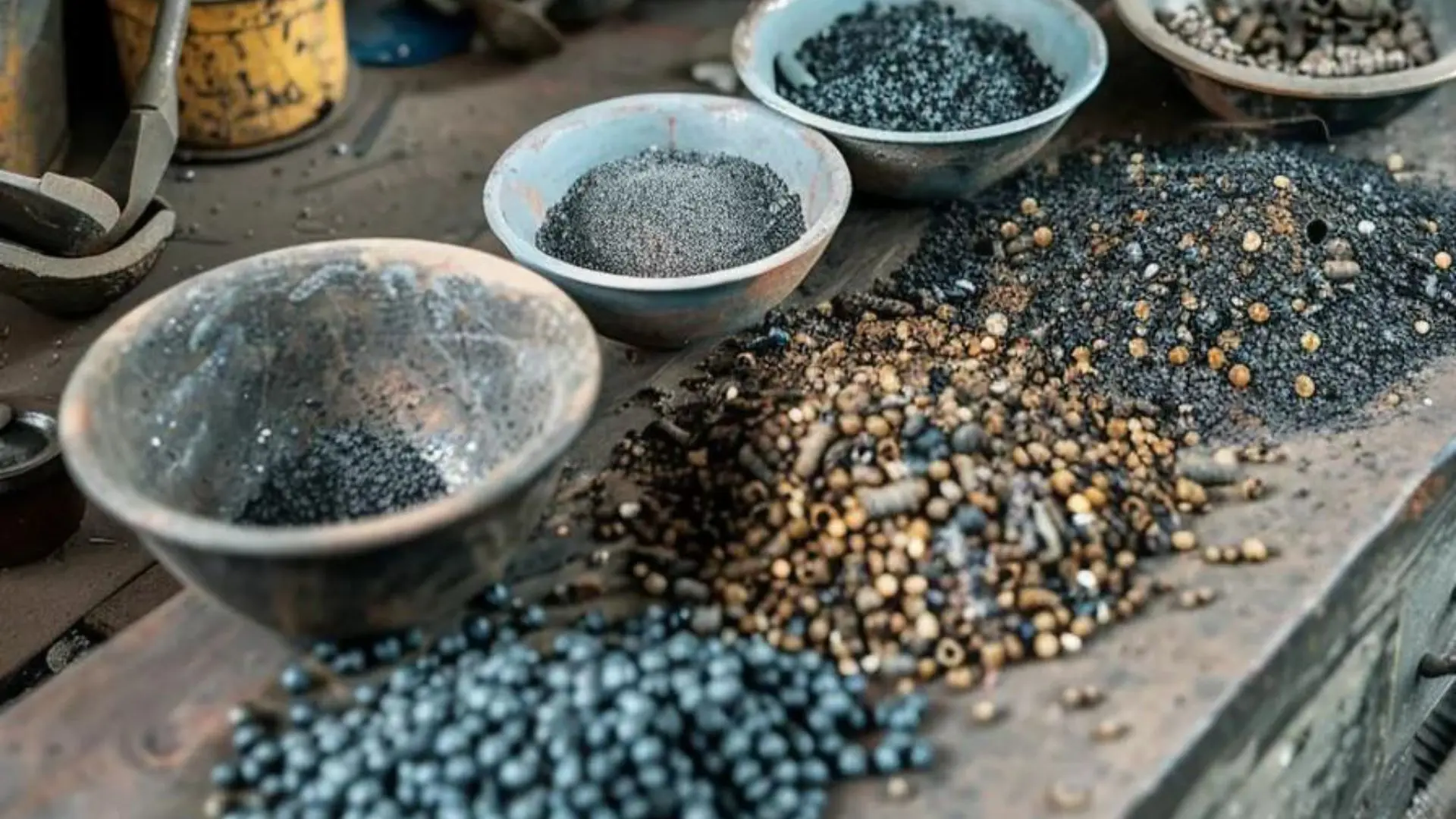
Grinding media are categorized into four principal material groups—steel, ceramic, tungsten carbide, and specialized niche media—each offering distinct performance profiles for specific applications.
What Are the Characteristics of Steel Grinding Media?
Steel grinding media, including carbon, chrome, stainless, and forged varieties, offer high impact toughness and density (7.8 g/cm³). Their robust alloy composition delivers consistent performance in coarse and medium-grind operations, while tempered surfaces resist chipping. However, steel balls can introduce iron contamination in sensitive processes and wear more rapidly under abrasive loads. In heavy-duty mining or cement milling, their combination of cost-effectiveness and mechanical strength makes them a go-to choice, transitioning us to options with higher purity profiles.
What Defines Ceramic Grinding Media and Its Variants?
Ceramic media—alumina, zirconia, silicon carbide, and silicon nitride—combine moderate to high density (2.5–6.1 g/cm³) with exceptional chemical inertness and wear resistance. Alumina offers a cost-efficient entry point, while zirconia provides superior hardness (12 GPa Vickers) and minimal contamination. Silicon carbide and nitride variants deliver ultra-hard surfaces for fine grinding of hard materials. These ceramics support high-purity applications and extend service life, an advantage that leads into the extreme hardness of tungsten carbide.
What Are the Properties and Uses of Tungsten Carbide Grinding Media?
Tungsten carbide grinding media exhibit extreme hardness (18–22 GPa Vickers) and thermal stability up to 1000 °C. With a density of 15.6 g/cm³, these beads deliver powerful impacts ideal for ultra-hard materials like advanced ceramics and carbide composites. Their high wear resistance and low fracture rate reduce downtime in precision milling and mining operations, albeit at a higher initial cost. Understanding these benefits paves the way to exploring specialized media alternatives.
Tungsten carbide grinding media, due to its extreme hardness and density, is ideal for ultra-hard materials and demanding applications, such as precision milling of advanced ceramics and mining of abrasive ores. These media offer unparalleled impact force and abrasion resistance, ensuring consistent performance against the toughest feedstocks.
What Other Specialized Grinding Media Materials Exist?
Beyond steel, ceramic, and tungsten carbide, niche options include: advantages of ceramic balls.
- Glass beads offering low density and chemical inertness for gentle polishing
- Plastic media (PP, PVC, nylon) providing lightweight, low-contamination grinding for delicate parts
- Natural stones (flint, river pebbles) delivering cost-effective abrasion in traditional processing
These specialized media fill unique roles where standard materials may underperform, setting the stage for a direct comparison of the three primary categories.
How Do Steel, Ceramic, and Tungsten Carbide Grinding Media Compare?
To facilitate material selection, a side-by-side comparison of key attributes reveals where each media type excels.
| Material | Hardness (Vickers) | Density (g/cm³) | Wear Rate (mg/ton) | Contamination Risk | Typical Applications |
|---|---|---|---|---|---|
| Steel (Chrome) | 7.5 GPa | 7.8 | 150 | Moderate (iron) | Mining, Cement |
| Alumina Ceramic | 14 GPa | 3.9 | 50 | Low (aluminum oxide) | Pharmaceuticals, Paints |
| Zirconia Ceramic | 12 GPa | 5.8 | 30 | Very low (zirconia) | Electronics, Fine Grinding |
| Tungsten Carbide | 20 GPa | 15.6 | 10 | Minimal (tungsten) | Advanced Materials, Mining |
How Do Hardness and Density Differ Among These Materials?
Steel grinding media (7.8 g/cm³) combine moderate hardness with high density for robust impact energy. Alumina (3.9 g/cm³) and zirconia (5.8 g/cm³) ceramics trade off density for chemical inertness and wear life. Tungsten carbide’s extreme density (15.6 g/cm³) and hardness deliver maximum impact force per collision, essential for the hardest feedstocks. These material property interplays inform application matching and cost-benefit analysis.
What Are the Wear Resistance and Contamination Risks of Each Material?
Ceramic media exhibit 2–5× lower wear rates than steel and negligible chemical leaching, minimizing contamination in precision industries. Tungsten carbide’s minimal wear (<10 mg/ton) ensures extended service intervals but requires inert milling environments to avoid cobalt binder oxidation. Steel’s higher abrasion rate and iron release present contamination concerns in high-purity processes. Balancing wear life against contamination establishes the context for economic evaluation.
How Does Cost Versus Performance Influence Material Choice?
Cost considerations must weigh initial media price against durability and operational savings. Ceramic beads cost 50–100% more than steel but last 3–5× longer in fine grinding, reducing downtime and replacement expenses. Tungsten carbide can exceed ceramic costs by 3× but delivers superior wear life and throughput for ultra-hard materials. Lifecycle cost analyses ensure that performance gains offset upfront investments and guide application-specific choices.
What Applications Are Best Suited for Each Grinding Media Type?
- Steel media suit large-scale mineral and cement milling where purity demands are low and cost is critical.
- Alumina and zirconia ceramics excel in pharmaceutical, food, and fine chemical processes requiring minimal contamination.
- Tungsten carbide media serve precision milling of advanced ceramics, hard alloys, and mining of ultra-hard ores.
Matching these application profiles to material attributes ensures optimal performance and total cost efficiency.
What Factors Should You Consider When Selecting Grinding Media?
Choosing the right grinding media requires evaluating feed characteristics, desired product specifications, equipment parameters, and economic trade-offs.
How Does the Material to Be Ground Affect Media Choice?
Hard, abrasive feedstocks demand ultra-hard media like tungsten carbide or silicon nitride to resist fracture, whereas softer materials can be processed with steel or alumina beads. Chemical reactivity between media and feed must be avoided in corrosive or high-purity applications. Aligning media hardness and chemical inertness with feed properties secures reliable milling performance and product integrity.
What Role Do Particle Size and Purity Requirements Play?
Target particle size dictates impact energy and media selection: finer end-products benefit from high-hardness ceramics and smaller bead sizes to achieve uniform, ultra-fine distributions. Purity requirements drive choice toward chemically inert materials—zirconia and alumina—to eliminate ionic contamination. Balancing bead diameter, density, and material composition tailors grinding outcomes to specification demands.
How Do Grinding Equipment Types Influence Media Selection?
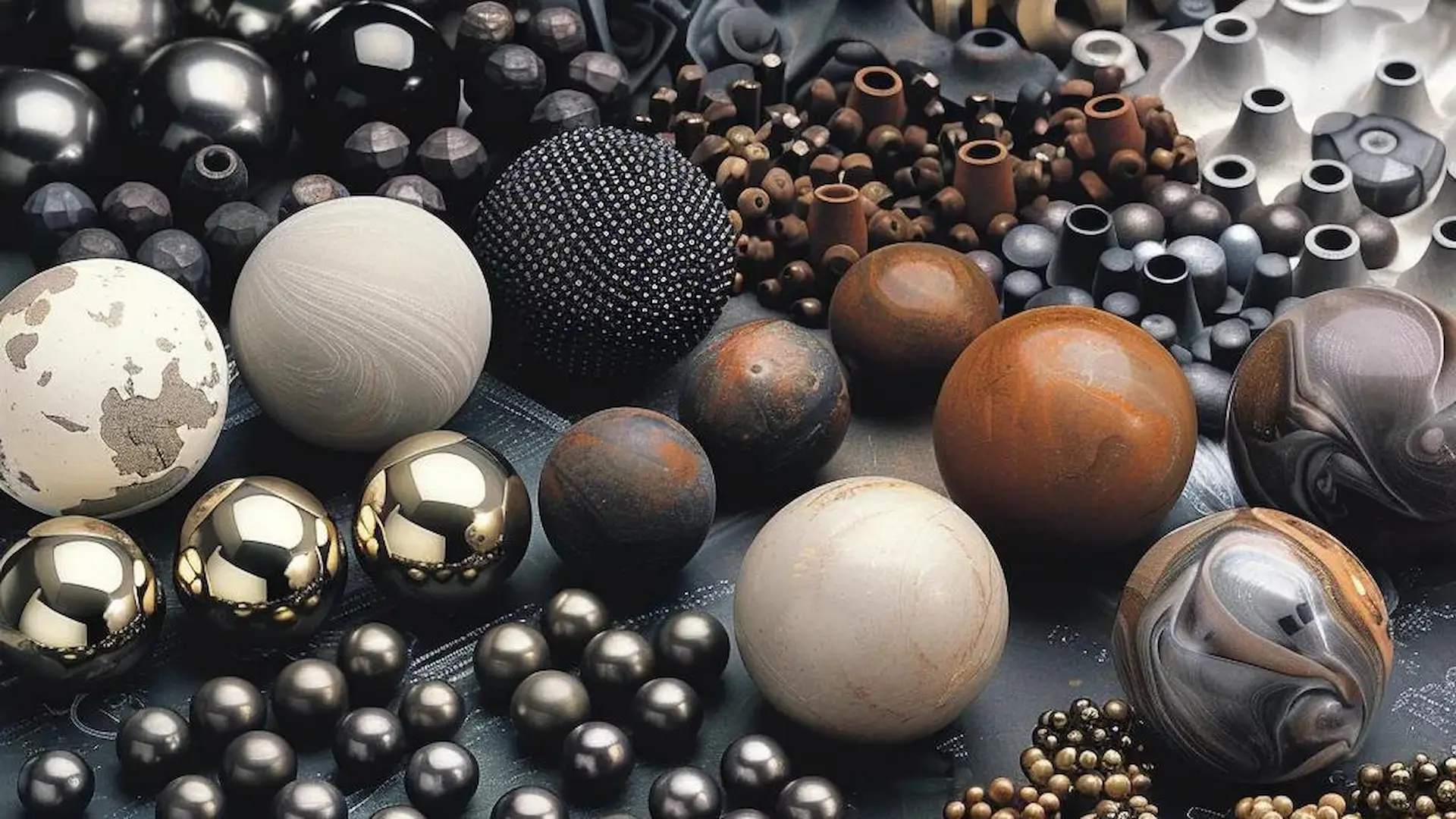
Equipment design—ball mills, stirred media mills, rod mills—governs optimal media density, shape, and size. High-speed stirred mills require lower-density ceramics for efficient motion, while tumbling ball mills leverage dense steel or tungsten carbide spheres for impact grinding. Understanding equipment-media interactions maximizes energy transfer and throughput, forming the basis for the final selection criteria.
How Should Cost-Benefit and Longevity Be Evaluated?
A holistic cost-benefit analysis accounts for initial media price, expected wear life, replacement frequency, maintenance downtime, and potential contamination cleanup. Investing in higher-performance media often yields net savings through reduced media consumption and increased production yields. Evaluating total cost of ownership clarifies the economic rationale for premium materials in critical applications.
What Are the Advantages of Zirconia Grinding Media Compared to Other Ceramics?
Zirconia stands out among ceramics for its superior wear resistance, fracture toughness, and chemical inertness, making it the premium choice for high-purity, fine-grinding operations.
Why Is Zirconia Preferred for High-Purity and Fine Grinding Applications?
Zirconia grinding media combines high density (5.8 g/cm³) with excellent hardness (12 GPa Vickers), enabling efficient fine particle size reduction while releasing minimal ions into the milled product. Its chemical inertness prevents interaction with reactive feedstocks, ensuring consistent purity levels in pharmaceuticals, food additives, and specialty chemicals.
Zirconia grinding media is preferred for high-purity and fine grinding applications due to its high density, excellent hardness, and chemical inertness, which enables efficient particle size reduction while minimizing contamination. Yttria-stabilized zirconia (YSZ) enhances grinding performance by boosting fracture toughness and wear resistance, reducing bead breakage and extending service life.
How Does Yttria-Stabilized Zirconia (YSZ) Enhance Grinding Performance?
Yttria stabilization preserves zirconia’s tetragonal phase, boosting fracture toughness and wear resistance by 30–50% compared to unstabilized ceramics. This enhancement reduces bead breakage and extends service life, resulting in lower media consumption and consistent milling performance over extended campaigns.
What Industries Benefit Most from Zirconia Grinding Media?
Industries requiring the highest levels of purity and fine particle control rely on zirconia media:
- Pharmaceutical manufacturers for drug formulation
- Electronics producers for nanoparticle synthesis
- Food processors for flavor and color uniformity
These sectors leverage zirconia’s minimal contamination risk and superior wear life to meet stringent quality standards.
When Is Tungsten Carbide Grinding Media the Best Choice?
Tungsten carbide media excel in ultra-demanding applications where maximum hardness and impact energy are required.
What Properties Make Tungsten Carbide Ideal for Ultra-Hard Materials?
With hardness exceeding 18 GPa and density above 15 g/cm³, tungsten carbide media deliver unparalleled impact force and abrasion resistance. Thermal stability up to 1000 °C prevents degradation in high-energy milling, ensuring consistent performance against the toughest feedstocks.
Which Applications Require Tungsten Carbide Grinding Media?
- Precision milling of advanced ceramics and hard alloys
- Mining of abrasive ores like corundum or tungsten ore
- Production of specialized pigments and nanoscale powders
These use cases demand the extreme durability and fracture resistance uniquely offered by tungsten carbide beads.
How Does Tungsten Carbide Compare in Cost and Longevity?
Although tungsten carbide media carry a 2–3× premium over ceramic beads, their minimal wear rate (<10 mg/ton) and extended service intervals often yield lifecycle cost benefits in ultra-hard material processing. Evaluating these trade-offs ensures media investment aligns with production requirements and budget constraints.
How Do Other Grinding Media Materials Like Glass, Plastic, and Natural Stones Fit Into the Market?
Beyond mainstream materials, alternative media address niche needs for low-contamination or gentle abrasion processes.
What Are the Benefits and Limitations of Glass Grinding Beads?
Glass beads offer chemical inertness and very low density (2.5 g/cm³), reducing mill load and energy consumption in polishing and deburring tasks. Their moderate hardness limits fine grinding applications, making them ideal for finishing operations and cosmetic polishing where surface integrity is paramount.
When Are Plastic Grinding Media Suitable?
Plastic media—polypropylene, nylon, PVC—provide lightweight, non-contaminating grinding for soft metals and delicate parts. Their low specific gravity reduces impact energy, preventing surface damage in precision cleaning and vibratory finishing processes. However, plastic beads wear quickly under heavy loads, limiting their use to light abrasion tasks.
What Role Do Natural Stones Play in Grinding Operations?
Natural stones like flint and river pebbles serve cost-effective abrasion in traditional milling setups where precise size control is less critical. Their variable hardness and irregular shape produce non-uniform particle distributions, making them unsuitable for high-precision applications but valuable in low-cost, bulk grinding scenarios.
What Are the Latest Industry Trends and Innovations in Grinding Media Materials?
Ongoing research and market forces drive advancements in media formulations, sustainability, and performance.
How Is the Demand for High-Performance Ceramic and Tungsten Carbide Media Growing?
Growth in electronics, pharmaceuticals, and advanced materials manufacturing is fueling a shift toward ceramic and tungsten carbide media. Increased purity requirements and finer particle size targets are primary drivers of adoption for these premium materials.
What Sustainability Considerations Affect Grinding Media Selection?
Media with extended wear life reduce consumption, energy use, and waste generation, supporting green manufacturing goals. Lower-density ceramics also contribute to energy savings by reducing mill rotational mass and power requirements.
How Are Contamination Control and Purity Standards Evolving?
Pharmaceutical and food industries are tightening impurity thresholds, spurring demand for ultra-inert media such as YSZ zirconia and silicon nitride. Analytical methods now detect trace metal ions at parts-per-billion levels, making media selection a critical quality control step.
What Innovations Are Emerging in Grinding Media Technology?
Cutting-edge developments include coated beads with diamond-like carbon layers for enhanced wear life, hybrid composite media combining ceramics and polymers for tailored impact profiles, and additive-manufactured custom shapes that optimize flow and collision dynamics.
Grinding media innovations continue to expand the range of applications and improve milling sustainability, guiding engineers toward next-generation solutions.
Selecting the right grinding media material requires a nuanced understanding of hardness, density, wear resistance, contamination risk, cost-benefit trade-offs, and application demands. By comparing steel, ceramic, tungsten carbide, and specialized media through detailed tables and performance criteria, you can pinpoint the superior material for your milling operation. With emerging trends emphasizing sustainability and purity, partnering with an experienced provider of precision spherical components ensures optimal media selection and lifecycle performance. For tailored guidance and custom grinding media solutions, reach out for expert consultation and elevate your milling efficiency today.
Frequently Asked Questions
What factors influence the choice of grinding media material?
When selecting grinding media, several factors come into play, including the hardness and abrasiveness of the material being processed, the desired particle size, and the purity requirements of the final product. Additionally, the type of milling equipment used can dictate the optimal media density and shape. Economic considerations, such as initial costs versus long-term wear and replacement expenses, also significantly influence the decision. Understanding these factors ensures that the chosen media aligns with both operational efficiency and product quality standards.
How does the size of grinding media affect milling performance?
The size of grinding media plays a crucial role in milling performance. Smaller media can achieve finer particle sizes and improve the uniformity of the final product, making them ideal for high-precision applications. However, larger media can deliver greater impact energy, which is beneficial for coarse grinding. The choice of media size must balance the desired particle size distribution with the milling efficiency, as well as the specific characteristics of the material being processed to optimize throughput and minimize wear.
What are the environmental impacts of different grinding media materials?
The environmental impact of grinding media materials varies significantly. Steel media, while effective, can lead to higher wear rates and increased contamination, necessitating more frequent replacements and waste. In contrast, ceramic and tungsten carbide media often have longer lifespans, reducing waste and energy consumption over time. Additionally, the production processes for these materials can differ in their carbon footprints. Choosing media with extended wear life and lower energy requirements aligns with sustainability goals and reduces the overall environmental impact of milling operations.
How can contamination risks be minimized when using grinding media?
Minimizing contamination risks when using grinding media involves selecting the right material based on the application. For high-purity processes, using chemically inert media like zirconia or alumina is essential to prevent leaching of ions. Regular maintenance and monitoring of media wear can also help reduce contamination. Implementing proper cleaning protocols and ensuring that the milling environment is controlled can further mitigate risks. Understanding the interaction between the media and the material being processed is crucial for maintaining product integrity.
What innovations are currently shaping the future of grinding media?
Recent innovations in grinding media include the development of coated beads that enhance wear resistance and performance, as well as hybrid media that combine different materials to optimize impact profiles. Additive manufacturing techniques are also being explored to create custom shapes that improve flow dynamics and milling efficiency. Additionally, advancements in sustainability, such as the use of eco-friendly materials and processes, are becoming increasingly important in the industry. These innovations aim to enhance performance while addressing environmental concerns.
How does the choice of grinding media affect operational costs?
The choice of grinding media significantly impacts operational costs through factors such as initial purchase price, wear rates, and replacement frequency. While higher-quality media like tungsten carbide may have a higher upfront cost, their durability and lower wear rates can lead to reduced downtime and lower total cost of ownership over time. Conversely, cheaper media may require more frequent replacements, increasing long-term expenses. Conducting a thorough cost-benefit analysis helps ensure that the selected media aligns with both budget constraints and performance requirements.
Contact us today to discuss your sourcing needs. We’ll show you how proven quality and reliable delivery aren’t expenses—they’re investments in your company’s success.