
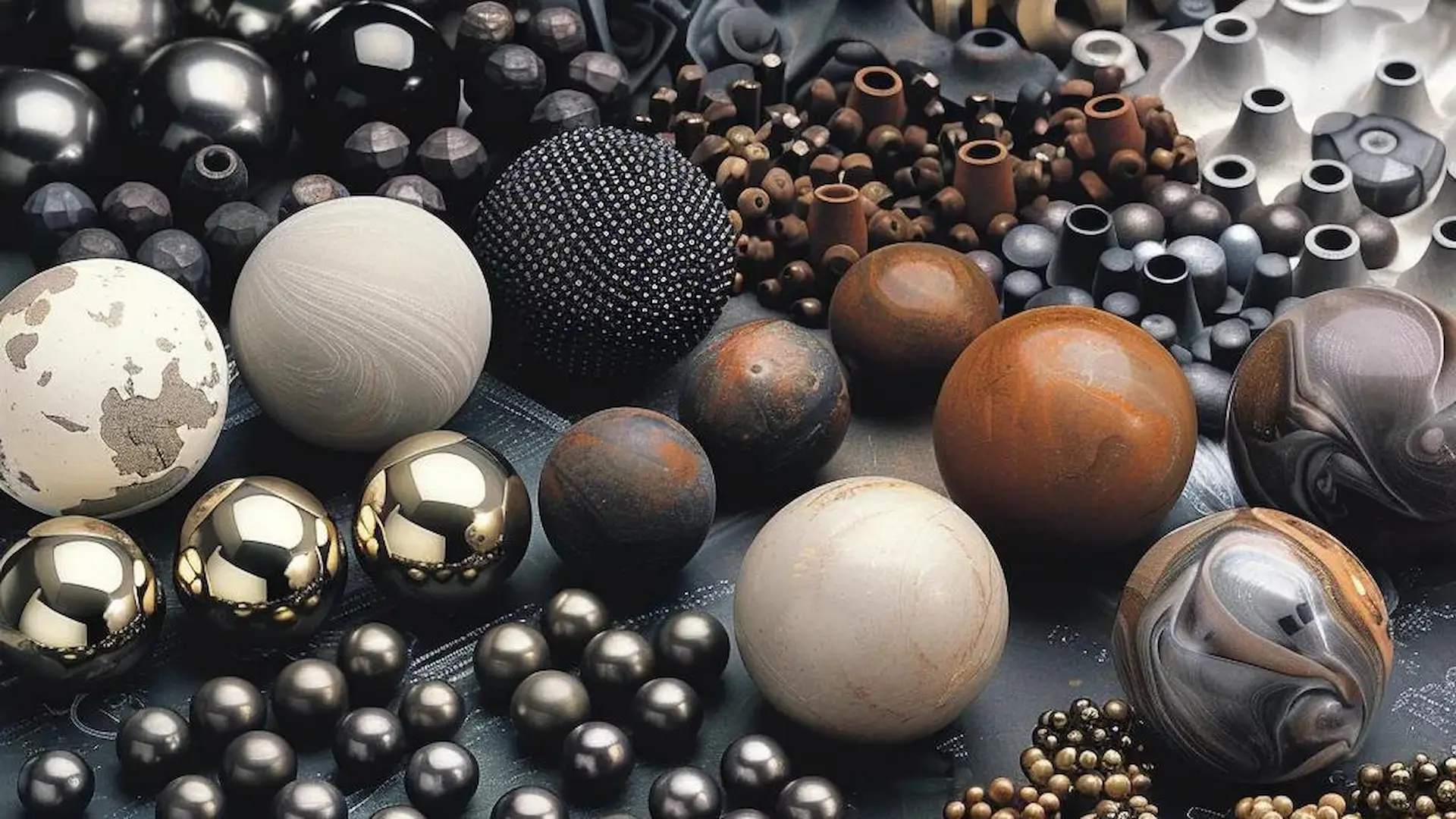
What Makes Effective Grinding Media Materials? A Comprehensive Guide to Properties, Types, and Selection
Every industrial milling operation hinges on the properties of grinding media materials to deliver consistent particle size reduction, maximize throughput, and prevent contamination. Engineers and procurement managers face challenges with premature wear, energy inefficiencies, and product purity risks when media lack optimal mechanical and chemical characteristics. This guide promises a clear roadmap through the core properties that govern media performance, a walkthrough of steel, ceramic, and specialty media types, practical selection criteria for diverse applications, and an inside look at how STR Industries leverages advanced material science and IATF 16949 certification to ensure customized, high-quality solutions. You will discover:
- The fundamental mechanical and chemical properties underpinning durability and efficiency
- Comparative analyses of steel and ceramic media, plus niche materials for tailored needs
- Step-by-step guidance on matching media to feedstock, mill conditions, and cost-performance goals
- Insights into STR Industries’ production capacity, quality systems, and customization capabilities
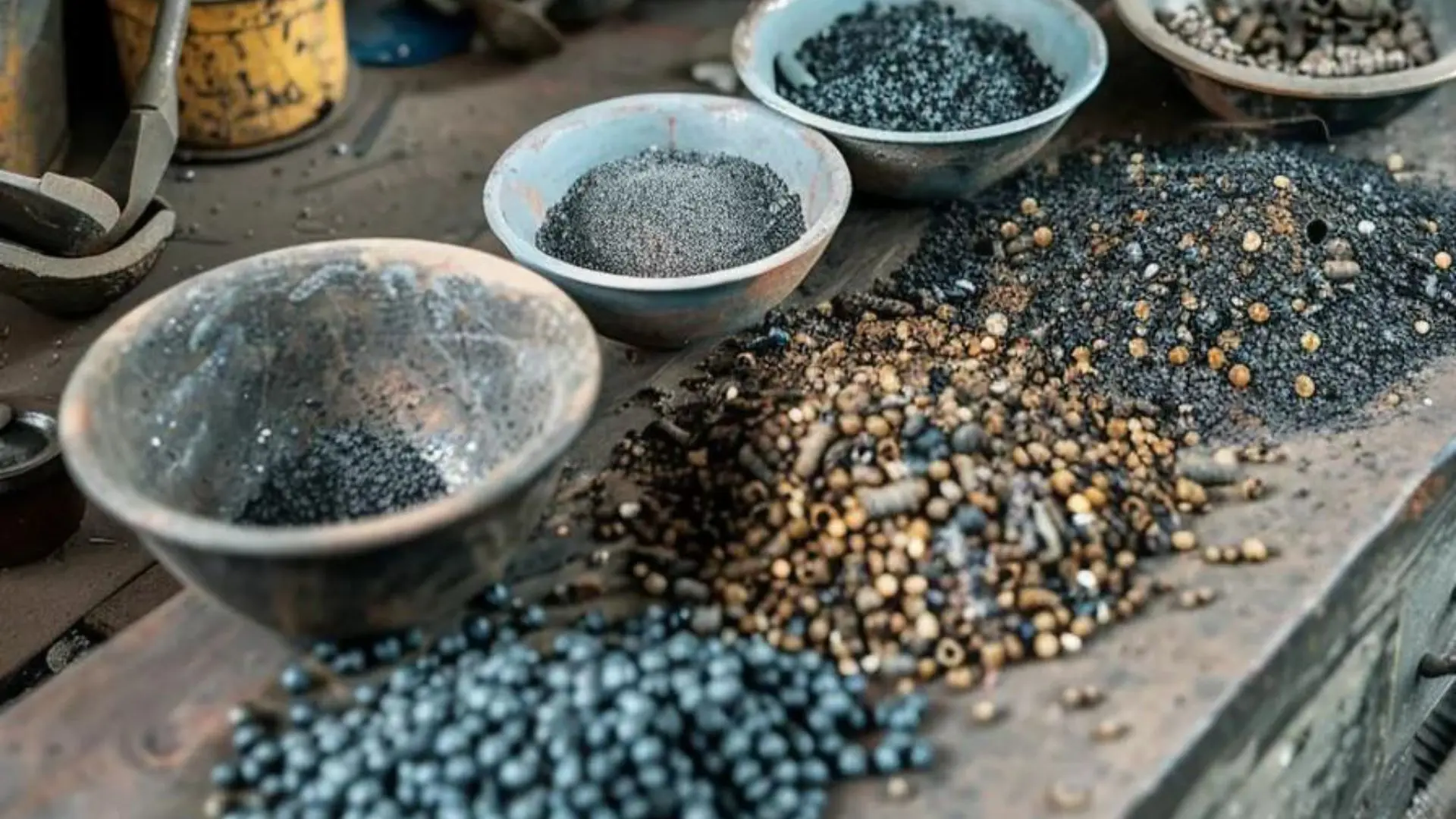
What Are the Core Properties That Define Effective Grinding Media Materials?
Effective grinding media materials combine multiple attributes that drive grinding efficiency, mechanical durability, and product integrity. Understanding these interrelated properties enables optimized media selection for any milling process.
Key properties include:
- Hardness and wear resistance
- Density (mass per unit volume)
- Toughness and fracture resistance
- Corrosion resistance and chemical inertness
- Material composition and purity
These attributes form the foundation for media that sustain high impact energy, resist surface degradation, and prevent contamination—critical factors in industrial milling environments.
How Do Hardness and Wear Resistance Impact Grinding Media Durability?
Grinding media hardness measures resistance to surface deformation, while wear resistance quantifies the media’s ability to maintain size and shape under repeated impacts. High-hardness materials, such as chrome steel or silicon carbide, enhance longevity by reducing abrasive wear and minimizing diameter loss. For example, media with a Rockwell C hardness above 60 HRC can sustain thousands of stress cycles, directly improving process stability and lowering replacement intervals.
This research supports the article’s claim that high-hardness materials, like chrome steel, enhance longevity by reducing abrasive wear.
Why Is Density Important for Grinding Efficiency?
Media density determines impact energy during collisions: higher density balls deliver greater kinetic force at the same rotational speed, accelerating particle breakage. Zirconia media, with a density around 6.0 g/cm³, can achieve finer milling rates than alumina at 3.9 g/cm³ under identical operating conditions.
This citation supports the article’s explanation of how media density influences grinding efficiency and particle breakage.
Optimizing density ensures efficient energy transfer and shortened cycle times.
How Do Toughness and Fracture Resistance Prevent Grinding Media Failure?
Fracture toughness gauges a material’s ability to absorb energy and resist crack propagation. Media that balance hardness with sufficient toughness—such as selected carbon steel grades—mitigate chipping and catastrophic breakage under high-stress impacts. Maintaining an ideal fracture resistance threshold reduces the generation of fines from media breakdown, preserving mill performance and safety.
What Role Does Corrosion Resistance Play in Maintaining Product Purity?
Corrosion-resistant media, notably stainless steel and ceramic grades, prevent chemical reactions with process liquids and reactive feed materials. By remaining chemically inert, they avoid introducing metallic ions or oxide particles into sensitive end products—an essential requirement in pharmaceutical, food, and pigment applications where contamination can compromise quality and safety standards.
This citation reinforces the article’s discussion on the role of corrosion resistance in maintaining product purity, particularly in sensitive applications.
How Does Material Composition and Purity Affect Grinding Media Performance?
The intrinsic composition and purity of raw materials dictate final microstructure and defect levels in finished media. High-purity alumina (>99.5 % Al₂O₃) yields uniform hardness and minimal inclusions, supporting consistent wear rates and reducing contamination risk. Conversely, lower-grade ceramics may contain residual phases that weaken toughness and accelerate spalling. Ensuring rigorous material selection underpins reliable media performance.
What Are the Different Types of Grinding Media Materials and Their Characteristics?
Industrial milling demands diverse media types to suit process goals, feedstock properties, and product specifications. This section compares the major classes of grinding media, highlighting their mechanical, chemical, and application-specific attributes.
What Are the Advantages of Steel Grinding Media: Carbon, Chrome, and Stainless Steel?
Steel grinding media combines robust mechanical strength with economic value for heavy-duty milling. The table below compares common steel grades:
| Steel Grade | Hardness (HRC) | Density (g/cm³) | Corrosion Resistance | Typical Applications |
|---|---|---|---|---|
| Carbon Steel | 55–62 | 7.85 | Low–Moderate | Mining, cement, primary crushing |
| Chrome Steel (AISI 52100) | 60–66 | 7.85 | Moderate | Ore grinding, mineral processing |
| Stainless Steel (AISI 316L) | 48–55 | 7.98 | High | Food processing, pharmaceuticals |
Carbon steel offers cost-effective durability, chrome steel delivers superior wear life, and stainless steel excels where corrosion resistance and product purity are paramount.
How Do Ceramic Grinding Media Materials Like Alumina, Zirconia, and Silicon Nitride Compare?
Ceramic media excel in high-purity, fine-milling contexts due to their hardness and chemical inertness. Key comparisons: advantages of ceramic balls vs steel balls.
| Ceramic Type | Hardness (Mohs) | Density (g/cm³) | Contamination Risk | Use Cases |
|---|---|---|---|---|
| Alumina (Al₂O₃) | 9 | 3.9 | Very Low | Pigments, inks, pharmaceuticals |
| Zirconia (ZrO₂) | 8.5 | 6.0 | Near Zero | High-density milling, electronics |
| Silicon Nitride (Si₃N₄) | 7.5 | 3.2 | Low | High-strength, temperature-sensitive processes |
Alumina offers a balance of hardness and density for general fine milling, zirconia maximizes density and wear life, while silicon nitride brings fracture toughness for specialized high-stress applications.
When Are Specialty Grinding Media Such as Glass, Plastic, and Agate Used?
Specialty media address niche requirements where standard steel or ceramics fall short. Glass beads deliver gentle abrasion for cleanup or surface finishing; plastic pellets minimize metal contamination in delicate applications; agate media provide extreme chemical inertness and precise sphericity for analytical milling.
These materials support processes that prioritize non-metallic purity or low mechanical impact.
How Do Material Properties Influence Grinding Media Suitability for Various Industries?
Media selection aligns with sector-specific demands: mining tolerates higher wear for coarse particle reduction, pharmaceutical milling demands sub-ppm contamination limits, and ink manufacturing requires consistent color purity. Matching media hardness, density, and chemical inertness to industry standards ensures optimal performance, regulatory compliance, and cost efficiency.
How Do You Select the Optimal Grinding Media Material for Your Application?
Choosing the right media involves balancing feedstock characteristics, milling goals, equipment constraints, and total cost of ownership. Follow these critical factors:
- Material to be Ground: Assess hardness, friability, and reactivity of the feed.
- Desired Particle Size: Smaller media achieve finer end products but may wear faster.
- Mill Type and Conditions: Match media shape and density to wet vs. dry operation, mill speed, and capacity.
- Cost-Effectiveness and Longevity: Calculate wear rates, energy consumption, and replacement intervals.
This multi-criteria approach yields an optimized media choice tailored to performance and budget targets.
Why Is Matching Grinding Media to the Material Being Ground Critical?
Media selection depends on feedstock hardness and abrasiveness: hard ores require dense, wear-resistant balls to fracture particles, whereas softer materials respond efficiently to lower-density, tougher media. Incorrect pairing can lead to excessive media degradation or suboptimal particle breakage.
How Does Desired Particle Size Affect Grinding Media Choice?
Achieving fine particle distributions demands smaller diameter media, which increase contact frequency and surface area. For ultrafine milling, ceramic beads in the 0.1–1 mm range deliver the precision needed, while coarser media suit rough initial size reduction.
What Mill Types and Operational Conditions Influence Grinding Media Selection?
Ball mills, attritors, and stirred mills impose different shear and impact forces. High-speed mills benefit from dense zirconia for maximum impact, whereas low-speed tumbling mills often use steel balls to generate abrasion. Wet milling versus dry grinding also shifts the preference toward chemically inert media to manage corrosion and contamination.
How Do Cost-Effectiveness and Longevity Impact Grinding Media Decisions?
Evaluating total cost of ownership (TCO) incorporates purchase price, wear rate, downtime for media change-out, and energy efficiency. Premium ceramic media may deliver lower long-term costs in high-purity applications despite higher upfront investment, whereas carbon steel remains economical for bulk mineral processing.

What Are the Key Performance Properties of Ceramic Grinding Media?
Ceramic media distinguish themselves through a blend of hardness, fracture toughness, and chemical stability, making them ideal for precision and contamination-sensitive milling.
How Does Alumina Provide Wear Resistance and Purity Benefits?
Alumina’s high hardness and uniform microstructure resist abrasive wear, while its chemical inertness prevents ion leaching that can discolor pigments or contaminate pharmaceuticals. These qualities ensure consistent milling performance and product integrity.
Why Is Zirconia Preferred for High-Density and Low-Contamination Applications?
Zirconia’s exceptional density increases impact energy without sacrificing chemical purity. Its near-zero ionic solubility safeguards processes where metal trace levels must remain below critical thresholds, such as in semiconductor and biotech manufacturing.
What Are the Extreme Hardness Applications of Silicon Carbide Grinding Media?
Silicon carbide media rank among the hardest industrial materials, with Mohs hardness near 9.5. They excel in milling extremely abrasive feedstocks—like ceramics and minerals—where conventional media would wear rapidly, thereby enhancing throughput and reducing replacement frequency.
What Are the Characteristics and Benefits of Steel Grinding Media?
Steel media deliver a cost-effective combination of mechanical strength and process flexibility for large-scale, heavy-duty milling operations.
How Do Carbon Steel Grinding Balls Offer Durability and Cost-Effectiveness?
Carbon steel balls strike a balance between hardness and toughness at an accessible price point. Their durability under high-load conditions reduces breakage, while widespread availability ensures rapid replenishment and lower material costs.
What Corrosion Resistance Does Stainless Steel Provide in Grinding Media?
Austenitic stainless steels, such as AISI 316L, maintain structural integrity in wet, acidic, or saline environments. Their chromium-nickel alloys form passive oxide layers that shield against corrosion, preserving media dimensions and preventing product contamination.
How Does Chrome Steel Enhance Hardness and Wear Resistance?
High-chromium steels attain hardness above 60 HRC through quench-and-tempering processes, delivering exceptional wear resistance and long service life in abrasive milling contexts. This hardness improvement directly reduces media consumption and process interruptions.
How Does STR Industries Ensure High-Quality and Effective Grinding Media Solutions?
STR Industries combines decades of material expertise with rigorous quality systems to deliver precision grinding media tailored to exacting process demands.
What Is the Importance of IATF 16949 Certification in Grinding Media Manufacturing?
IATF 16949 certification signals adherence to automotive and precision manufacturing quality standards beyond ISO 9001. It mandates traceability, process control, and continuous improvement, ensuring each batch of media meets tight tolerances and performance benchmarks.
How Does STR Industries Customize Grinding Media for Specific Applications?
Leveraging in-house metallurgical analysis and ceramic engineering, STR Industries adjusts composition, hardness, and sphericity to match feedstock properties and mill conditions. Custom media dimensions from 0.8 mm to 80 mm enable precise control over particle size reduction dynamics.
Why Is STR Industries’ Production Capacity and Global Supply Chain a Competitive Advantage?
With two production facilities capable of 400–500 metric tons per month, STR Industries supports both large-volume mineral processing and highly specialized, low-volume applications. A global distribution network ensures timely delivery and consistent supply, minimizing downtime for customers worldwide.
Frequently Asked Questions
What factors should be considered when selecting grinding media for different applications?
When selecting grinding media, consider factors such as the material to be ground, desired particle size, mill type, and operational conditions. The hardness and abrasiveness of the feedstock will dictate the media’s durability requirements. Additionally, the mill’s operational speed and whether it operates in wet or dry conditions will influence the choice of media material. Cost-effectiveness and longevity are also crucial, as they affect the total cost of ownership and overall milling efficiency.
How does the shape of grinding media affect its performance?
The shape of grinding media significantly impacts its performance in milling operations. Spherical media, for instance, provide a more uniform surface area for contact, leading to efficient energy transfer and reduced wear. Conversely, irregularly shaped media can create uneven grinding and increased wear rates. The choice of shape should align with the milling process and desired particle size distribution, as different shapes can influence the flow dynamics and grinding efficiency within the mill.
What are the environmental considerations when using grinding media?
Environmental considerations include the potential for contamination of the ground material and the recyclability of the grinding media. Selecting media that minimizes wear debris and chemical leaching is essential, especially in sensitive applications like food and pharmaceuticals. Additionally, the energy consumption associated with media production and transportation should be evaluated. Opting for sustainable materials and practices can help reduce the environmental footprint of milling operations.
How can the wear rate of grinding media be minimized?
Minimizing the wear rate of grinding media involves selecting the right material based on the specific application and operating conditions. Using high-hardness materials can reduce wear, while optimizing the milling parameters—such as speed, load, and media size—can also help. Regular monitoring of media performance and timely replacement can prevent excessive wear and maintain milling efficiency. Implementing proper maintenance practices for the milling equipment can further extend the life of the grinding media.
What innovations are emerging in grinding media technology?
Emerging innovations in grinding media technology include the development of advanced composite materials that combine the benefits of different media types, enhancing performance and reducing wear. Additionally, smart media with embedded sensors are being explored to monitor wear and optimize milling processes in real-time. Research into nanomaterials and coatings is also underway, aiming to improve hardness, reduce contamination, and enhance the overall efficiency of grinding operations.
How does the choice of grinding media impact energy consumption in milling?
The choice of grinding media directly affects energy consumption during milling. Higher density media can deliver more impact energy, leading to more efficient particle breakage and reduced milling time. Conversely, lighter media may require more energy to achieve the same results. Selecting the appropriate media based on the material properties and milling conditions can optimize energy use, leading to cost savings and improved overall process efficiency.