
Selecting the right materials for grinding media is crucial for optimizing milling processes across various industries. The effectiveness of grinding media directly impacts the efficiency, cost-effectiveness, and quality of the final product.
This guide delves into the best materials for grinding media, focusing on their properties, applications, and how to choose the right type for specific needs. Readers will learn about the key properties that define grinding media, the common materials used, and the factors to consider when making a selection. Additionally, we will explore how wear resistance affects operational efficiency and the role of engineering consultation in optimizing grinding media selection.
What Are the Key Properties of Grinding Media Materials?
Grinding media materials are defined by several key properties that influence their performance in milling applications. These properties include hardness, density, and wear resistance, which collectively determine the effectiveness and longevity of the grinding media.
Understanding these properties is essential for selecting the right material for specific milling tasks. High hardness contributes to wear resistance, while density affects the efficiency of the milling process. Ultimately, the right combination of these properties leads to improved operational efficiency and reduced costs.
How Does Wear Resistance Impact Grinding Media Performance?
Wear resistance is a critical property that significantly impacts the performance of grinding media. Materials with high wear resistance, such as tungsten carbide, tend to have a longer lifespan, which translates to lower operational costs over time.
This durability ensures that the grinding media maintains its effectiveness throughout the milling process, reducing the frequency of replacements and downtime. Consequently, selecting materials with superior wear resistance is essential for optimizing milling operations.
Why Are Hardness and Density Critical for Grinding Media?
Hardness and density are fundamental properties that influence the grinding efficiency of media. Hardness contributes to the material’s ability to withstand the forces exerted during milling, directly affecting wear rates.
Higher density media improve throughput by allowing for more effective energy transfer during the grinding process. Therefore, understanding the relationship between these properties and their impact on milling performance is vital for selecting the appropriate grinding media.
Which Materials Are Commonly Used for Grinding Media?
Several materials are commonly used for grinding media, each with distinct characteristics that make them suitable for specific applications. The choice of material can significantly affect the efficiency and quality of the milling process.
| Material | Property | Value |
|---|---|---|
| Chrome Steel | Hardness | High |
| Ceramic | Chemical Inertness | Excellent |
| Tungsten Carbide | Hardness | Very High |
What Are the Characteristics of Chrome Steel Grinding Balls?
Chrome steel grinding balls are known for their high hardness and durability, making them a popular choice in various milling applications. They are particularly effective in mining and cement industries due to their ability to withstand high-impact forces.
The hardness of chrome steel contributes to its wear resistance, ensuring a longer lifespan compared to some other materials.
How Do Ceramic and Tungsten Carbide Compare as Grinding Media?
Ceramic and tungsten carbide are two materials that offer unique advantages as grinding media. Ceramics are chemically inert, making them ideal for applications where contamination must be minimized.
In contrast, tungsten carbide is known for its very high hardness and wear resistance, making it suitable for ultra-fine grinding applications and abrasive materials. Understanding the differences between these materials helps in selecting the right type for specific milling needs.
How to Compare Grinding Media Materials Effectively?
Comparing grinding media materials involves evaluating several factors that influence their performance in milling applications. Key considerations include hardness, wear resistance, density, and cost-effectiveness.
A systematic approach to comparison can help identify the most suitable material for a given application.
What Factors Should Be Considered in Grinding Media Material Comparison?
When comparing grinding media materials, several factors should be taken into account:
- Hardness: Affects wear resistance and longevity.
- Cost: Initial investment versus long-term savings.
- Application Requirements: Specific needs of the milling process.
These factors play a crucial role in determining the best material for specific milling applications.
How Does Cost-Benefit Analysis Influence Material Selection?
Cost-benefit analysis is essential in the selection of grinding media materials. Higher quality materials may have a higher initial cost but can lead to significant savings in the long run due to reduced wear rates and lower replacement frequency.
Evaluating the total cost of ownership, including maintenance and operational efficiency, is vital for making informed decisions.
What Are the Best Grinding Balls for Different Milling Applications?
Different milling applications require specific types of grinding balls to achieve optimal performance. Understanding the unique characteristics of each material helps in selecting the best option for various industries.
Which Grinding Media Materials Suit Mining and Cement Industries?
In the mining and cement industries, steel media is often preferred due to its durability and cost-effectiveness. However, ceramic media is gaining popularity for its lower contamination rates, making it suitable for sensitive applications.
The choice between these materials depends on the specific requirements of the milling process.
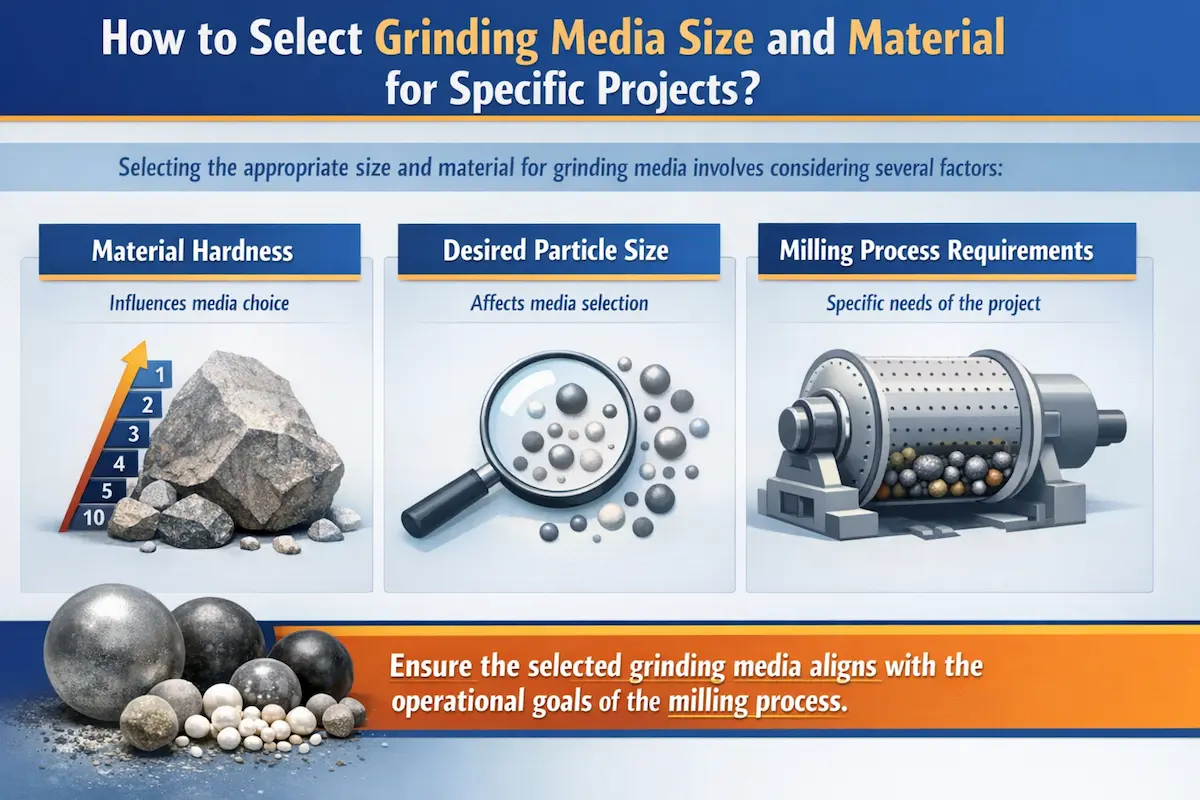
How to Select Grinding Media Size and Material for Specific Projects?
Selecting the appropriate size and material for grinding media involves considering several factors:
- Material Hardness: Influences media choice.
- Desired Particle Size: Affects media selection.
- Milling Process Requirements: Specific needs of the project.
These considerations ensure that the selected grinding media aligns with the operational goals of the milling process.
How Does Grinding Media Wear Resistance Affect Operational Efficiency?
The wear resistance of grinding media has a direct impact on operational efficiency. High wear resistance minimizes downtime and maintenance costs, allowing for more consistent production rates.
Understanding the mechanisms of wear can help in selecting materials that enhance operational efficiency.
What Are the Wear Mechanisms in Grinding Media Materials?
Wear mechanisms in grinding media include abrasion, impact, and corrosion. Each mechanism affects the lifespan and performance of the media differently.
For instance, abrasion leads to material loss over time, while impact can cause structural damage. Selecting materials that can withstand these wear mechanisms is crucial for maintaining operational efficiency.
How Can Engineering Consultation Optimize Grinding Media Selection?
Engineering consultation plays a vital role in optimizing grinding media selection. Experts can provide tailored guidance based on specific project requirements, helping to compare different media materials effectively.
This consultation ensures that the selected grinding media aligns with operational goals and enhances overall efficiency.